



Introduction
Modern life has become inseparable from screens. Smartphones, laptops, notifications, and social media platforms have created a world where people are constantly connected. While digital tools improve productivity and communication, excessive exposure to digital environments can lead to digital burnout — a growing psychological and cognitive problem in modern society.
Digital burnout refers to the mental exhaustion and cognitive overload caused by prolonged exposure to digital devices and information streams. Researchers link this phenomenon to reduced attention span, increased stress levels, sleep disruption, and decreased emotional well-being.
According to a report by the American Psychological Association, nearly 74% of adults report experiencing stress related to constant connectivity and information overload. Similarly, studies show that frequent switching between digital tasks can reduce productivity by up to 40% due to cognitive fatigue.
Recovery from digital burnout is therefore not simply about reducing screen time; it involves restoring cognitive balance, mental clarity, and healthy daily habits.
Below are five science-backed tips to support recovery from digital burnout and rebuild mental resilience.
1. Create Structured Screen Breaks
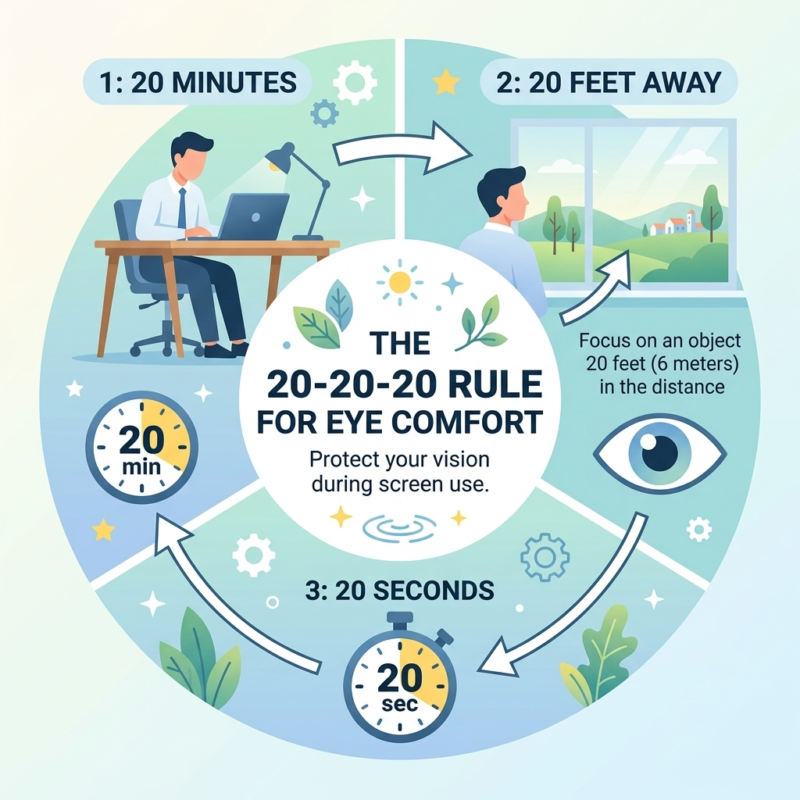
One of the most effective methods for reducing digital fatigue is to introduce intentional breaks from screens throughout the day.
Research from the National Institutes of Health indicates that continuous exposure to screens increases mental fatigue because the brain must constantly process high volumes of visual and informational stimuli.
The “20-20-20 rule” is commonly recommended:
-
Every 20 minutes
-
Look at something 20 feet away
-
For 20 seconds
This short reset helps relax eye muscles, reduce cognitive strain, and interrupt continuous digital stimulation.
Additionally, scheduling offline moments during the day — even brief ones — can significantly improve concentration and mental clarity.
2. Reduce Notification-Driven Attention Fragmentation
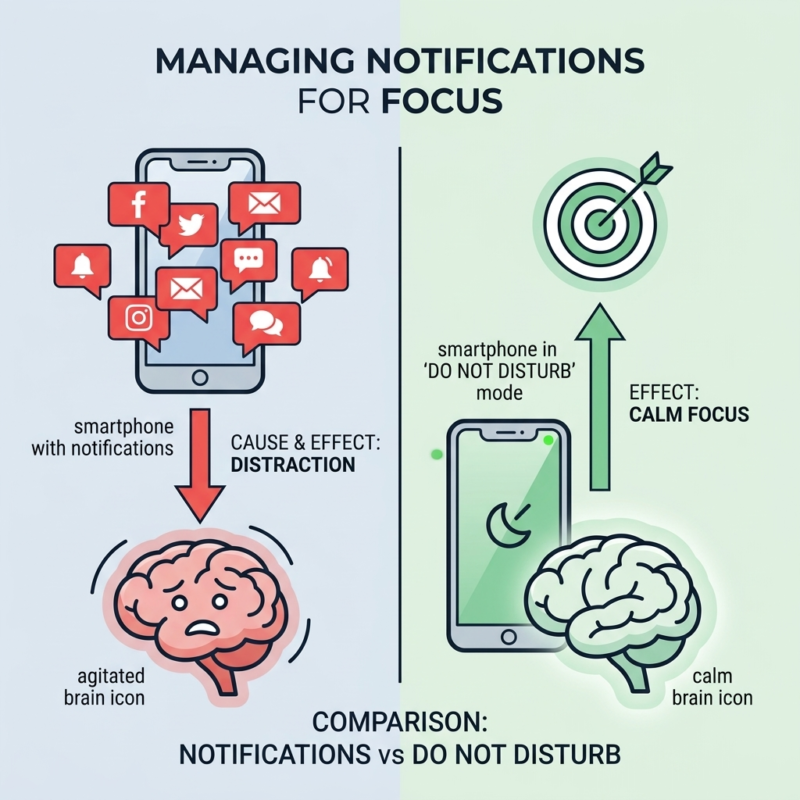
Notifications are one of the most underestimated causes of digital burnout.
Each time a notification appears, the brain shifts attention. This process, known as context switching, forces the brain to reorient itself repeatedly.
Research conducted at University of California Irvine found that after an interruption, it takes approximately 23 minutes to fully regain deep focus.
Constant interruptions therefore create:
-
Reduced productivity
-
Increased stress hormones
-
Mental fatigue
Practical recovery tips include:
-
Turning off non-essential notifications
-
Scheduling specific times to check messages
-
Using “Do Not Disturb” modes during focused work
These small adjustments help protect the brain from continuous cognitive fragmentation.
3. Restore Natural Sleep Rhythms
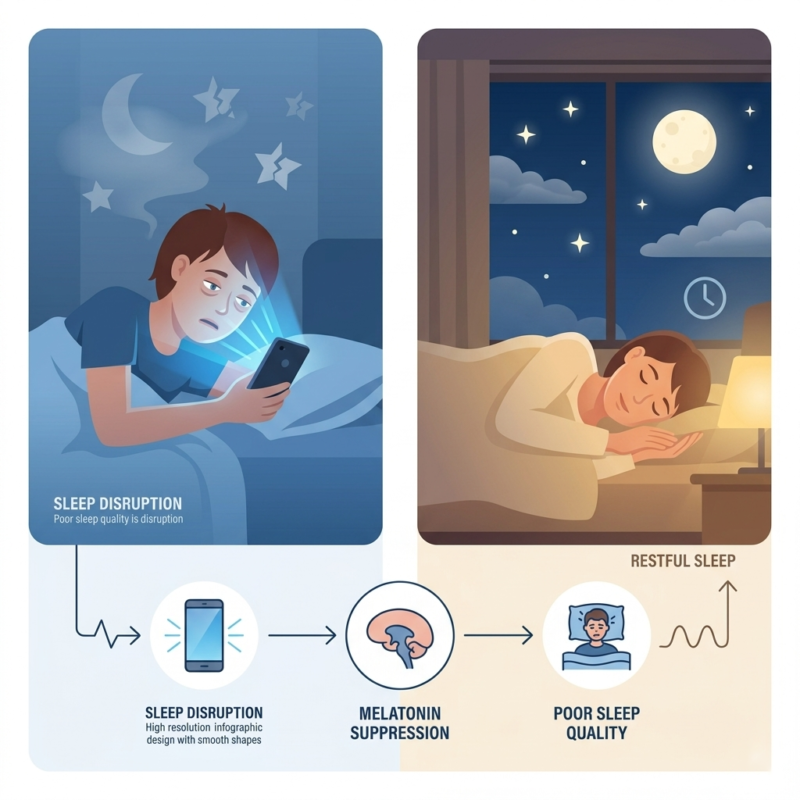
Sleep disruption is one of the most common symptoms of digital burnout.
Exposure to blue light emitted by screens suppresses melatonin, the hormone responsible for regulating sleep cycles.
Studies from Harvard Medical School demonstrate that blue light exposure at night can delay sleep onset and reduce overall sleep quality.
Poor sleep contributes to:
-
impaired cognitive function
-
reduced emotional regulation
-
increased stress sensitivity
To support recovery:
-
Avoid screens 60–90 minutes before bedtime
-
Use warm lighting in the evening
-
Replace nighttime scrolling with calming activities such as reading or journaling
Protecting sleep quality is one of the most powerful strategies for reversing digital burnout.
4. Introduce Mindfulness and Cognitive Recovery Practices
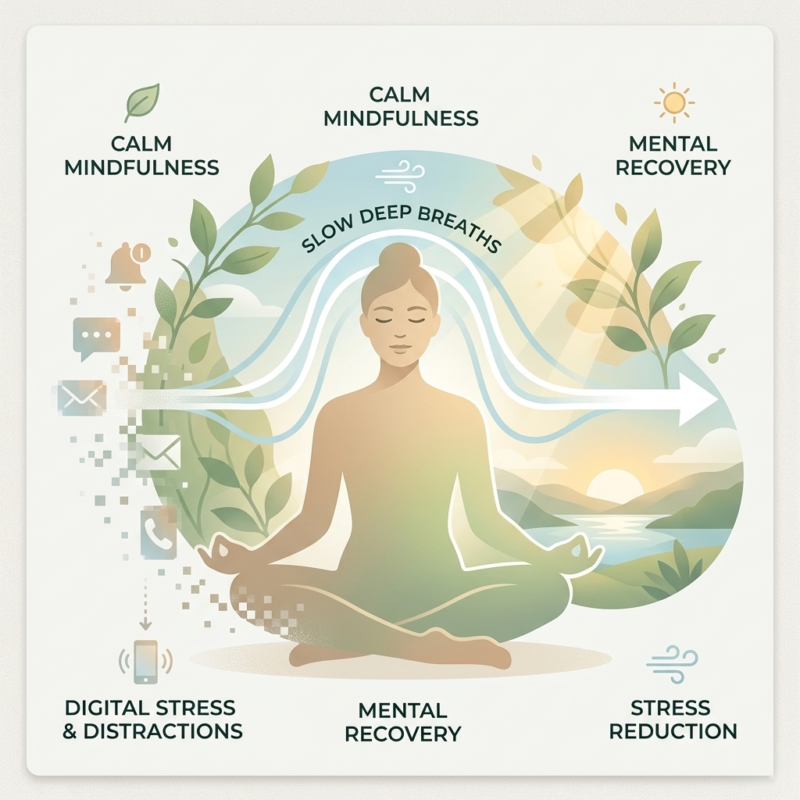
Mental recovery requires intentional moments where the brain is not processing constant information.
Mindfulness practices such as breathing exercises, meditation, or slow walking allow the brain’s default mode network to activate. This neural network plays an important role in creativity, emotional regulation, and memory consolidation.
Research published in the journal Psychological Science shows that even 10 minutes of mindfulness practice can significantly reduce stress and improve cognitive performance.
Simple daily mindfulness habits may include:
-
Short breathing exercises
-
Quiet reflection without devices
-
Gentle physical movement such as yoga
These practices give the brain the recovery time it rarely receives in a digital environment.
These practices give the brain the recovery time it rarely receives in a digital environment.
5. Create a Daily “Slow Ritual” to Reset Your Mind

One of the most overlooked strategies for recovery from digital burnout is reintroducing slow, intentional rituals into daily life.
Anthropologists and behavioral scientists note that traditional cultures built small daily rituals—such as preparing tea, cooking with spices, or sharing warm drinks—to create moments of pause in otherwise busy days. These rituals provide a psychological signal for the brain to shift from stimulation to recovery.
Preparing a cup of spiced chai can be one such ritual. The process itself encourages a slower rhythm: heating water, inhaling the aroma of spices, and taking a few quiet minutes away from screens.
Many of the spices traditionally used in chai—such as cinnamon, ginger, and cardamom—have long been studied for their antioxidant and anti-inflammatory properties, which support overall well-being.
Inspired by the rich 3,000-year spice heritage of Sri Lanka, modern blends like those crafted by Tasseoz aim to bring this simple mindful ritual into everyday life. A warm cup of spiced chai can act as a small but powerful pause—helping the mind slow down and recover from the constant pace of digital life.
Conclusion
Digital technology has transformed modern life, but constant connectivity also places unprecedented demands on the human brain. Digital burnout is increasingly recognized as a real challenge affecting productivity, mental health, and overall well-being.
Recovery does not require abandoning technology entirely. Instead, it involves intentional habits that restore balance between digital engagement and mental recovery.
The five key strategies include:
-
Structured screen breaks
-
Reducing notification interruptions
-
Protecting sleep cycles
-
Practicing mindfulness
-
Creating slow daily rituals
Small, consistent changes can help individuals regain mental clarity, improve focus, and maintain a healthier relationship with technology.
References
-
American Psychological Association – Stress in America Report
-
National Institutes of Health – Digital media and cognitive fatigue research
-
University of California Irvine – Study on interruptions and productivity
-
Harvard Medical School – Blue light and sleep research
-
Killingsworth, M. & Gilbert, D. (2010). A wandering mind is an unhappy mind. Science Journal
-
Kabat-Zinn, J. (Mindfulness research and stress reduction studies)