

When we sip a cup of chai, we are tasting more than a warm, spiced drink — we are tasting centuries of history, trade, culture, and global linguistic evolution.
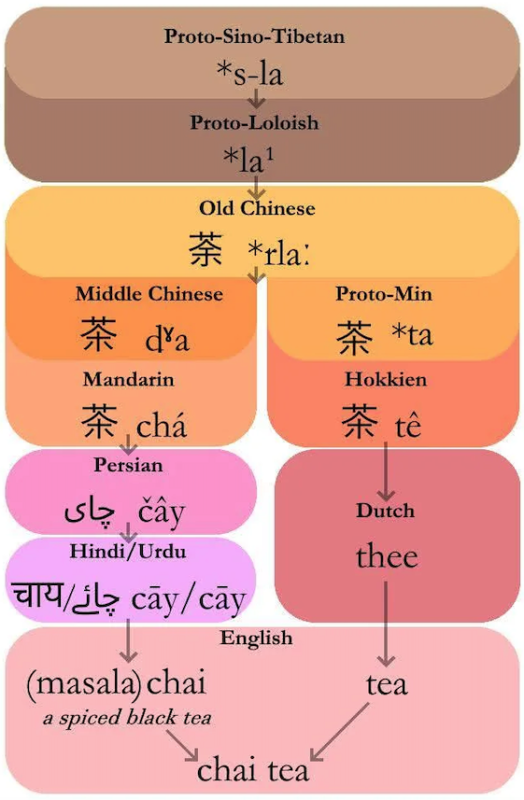
But there’s one question that often comes up in the world of tea: Why do we say “chai tea” in the West when chai already means “tea”?
The Meaning Behind the Word
The word chai — written as चाय (chāy) in Hindi — literally means “tea.” Its linguistic roots reach back to the Chinese word chá (茶), which traveled across Asia through ancient trade routes and cultural exchange. In many languages — including Hindi, Urdu, Russian, Persian, and Arabic — chai simply refers to tea itself.
This etymological fact makes “chai tea” a literal redundancy: combining two words that both mean “tea.” In literal terms, it’s “tea tea.” Yet language isn’t governed solely by logic — it lives in culture, context, and human interaction.
Tea’s Journey to India and the Birth of Masala Chai
Tea plants (Camellia sinensis) are believed to have grown wild in the Assam region of India for millennia, but tea drinking as we know it wasn’t always widespread there. Traditionally, many South Asians viewed brewed tea more as an herbal or medicinal infusion than a daily beverage.
It wasn’t until the British East India Company began cultivating tea in India during the 19th century — partly to break China’s trade monopoly — that black tea became a large-scale crop and a commercial product.
Local Indian communities adapted this imported black tea to their own tastes and traditions, combining it with milk, sweetener, and indigenous spices (masala) that had been central to Ayurvedic wellness practices for centuries — such as ginger, cardamom, cinnamon, cloves, and black pepper.
Thus was born masala chai — literally “spiced tea” — a drink that quickly became a daily ritual across India. Street vendors or chaiwalas began serving it at railway stations, market corners, and workplaces, making chai a symbol of hospitality, conversation, and community life.
From South Asia to the World: Why “Chai Tea”?
As masala chai traveled beyond the Indian subcontinent in the 20th century — carried by diaspora communities, global trade, and cultural exchange — its name arrived with it. In Western countries, where “tea” is the standard term, the phrase “chai tea” emerged to help audiences grasp that this is tea prepared in a specific spiced, milky way, distinct from other tea traditions.
In this context, “chai tea” isn’t an error as much as an adaptation — a linguistic bridge that connects unfamiliar sounds with familiar meanings. It’s similar to other borrowed food and drink terms (like naan bread or curry sauce) that include both the original term and a familiar anchor word in English.
Language, Identity, and Respect for Origin
At Tasseoz, we embrace this rich history. We recognise that:
-
Chai is much more than a drink — it’s a cultural practice shaped by history, community, and tradition.
-
Masala chai has roots in Ayurvedic knowledge, colonial history, and grassroots innovation that transformed tea into a daily ritual.
-
In many Western contexts, saying “chai tea” simply meets the listener where they are — without diminishing the heritage it represents.
So whether it’s called chai, masala chai, or chai tea, the name reflects a story — one of connection, evolution, and shared human experience.